Michigan Short-Term Rental Regulations 2026: Airbnb Zoning Laws, Local Bans & House Bill Updates
Complete legal guide to Michigan short-term rentals (Airbnb & Vrbo). Examine municipal zoning bans, state preemption bills, 6% Michigan Use Tax registration, and local caps.
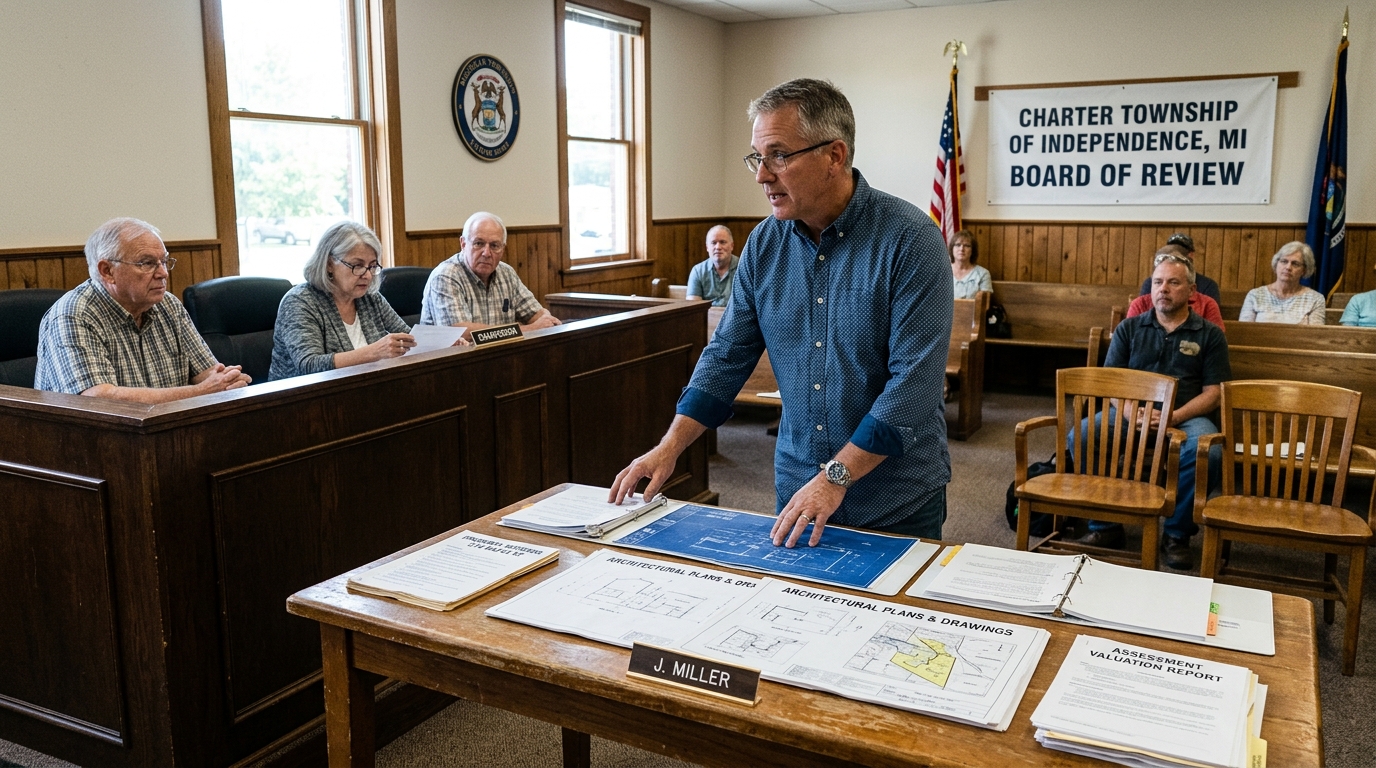
The explosion of peer-to-peer vacation rental platforms like Airbnb and Vrbo has transformed Michigan’s tourism economy. From historic urban lofts in Detroit to lakefront cottages along Lake Michigan and the Grand Traverse Bay, short-term rentals (STRs) generate hundreds of millions of dollars in supplemental revenue for property owners.
However, this rapid growth has triggered fierce legal and political battles across Michigan. Neighborhood associations and municipal leaders cite housing shortages, rising long-term rents, and noise disturbances, while property rights advocates argue that local bans infringe on constitutional property rights.
Operating a short-term rental in Michigan in 2026 requires understanding the delicate interplay between statewide preemption bills, local municipal zoning codes, Treasury tax rules, and deed restrictions. Here is the definitive legal roadmap for Michigan hosts, real estate investors, and municipal observers.
The Constitutional Battle: Municipal Home Rule vs. Property Rights
Under the Michigan Zoning Enabling Act (Public Act 110 of 2006, MCL § 125.3101 et seq.), cities, townships, and villages possess broad statutory police powers to enact master zoning ordinances protecting public health, safety, and welfare.
Over the past decade, Michigan courts have consistently affirmed that local municipalities have the legal right to regulate—or completely ban—short-term rentals in residential districts:
                  MICHIGAN SHORT-TERM RENTAL LEGAL FRAMEWORK
                                      │
          ┌───────────────────────────┴───────────────────────────┐
          ▼                                                       ▼
   Municipal Police Power                                 Private Deed Covenants
   • Michigan Zoning Enabling Act                         • HOA / Subdivision Bylaws
   • Can cap, license, or ban STRs                        • "Residential Only" restrictions
   • Noise, occupancy & safety codes                      • Complete private ban authority
- Owner-Occupied vs. Non-Owner Occupied: Most restrictive municipal ordinances distinguish between “homestay” rentals (where the host lives in the home and rents out a room or accessory dwelling unit) and “commercial investor” rentals (unhosted, full-home year-round operations). Municipalities frequently permit the former while heavily restricting or prohibiting the latter.
- Cap and Density Limits: Popular tourist havens like Traverse City, Grand Haven, Holland, and Saugatuck have instituted strict percentage caps (e.g., no more than 10% to 20% of residential structures in any given zoning overlay may hold STR licenses).
- Lottery Waiting Lists: In high-demand lakefront communities, obtaining an STR license often requires winning an annual municipal lottery, with multi-year waiting lists for available allocations.
The State Legislature’s Battle over Preemption
In Lansing, commercial real estate groups and property rights organizations have repeatedly pushed for statewide preemption legislation.
- The Historical Conflict: Previous proposals (such as House Bill 4722 in earlier sessions) sought to classify short-term rentals as an automatic “permitted residential use” across all zoning districts statewide, effectively stripping local township boards and city councils of their authority to prohibit STRs.
- The Modern Compromise Framework: More recent legislative initiatives (including House Bill 5438 and companion measures) have shifted toward a regulatory compromise:
- Statewide Registry: Requiring all short-term rental operators to register with the Michigan Department of Licensing and Regulatory Affairs (LARA) or Department of Treasury.
- Mandatory Life Safety Inspections: Mandating interconnected smoke alarms, carbon monoxide detectors, fire extinguishers, and maximum occupancy calculations based on square footage.
- Preserving Local Nuisance Authority: Protecting the right of municipalities to regulate noise, trash disposal, on-site parking, and revoke permits for repeat violations.
- Local Excise Taxes: Authorizing local governments to enact a 2% to 6% local lodging excise tax on STR bookings to fund municipal infrastructure and workforce housing funds.
Local Spotlight: How Michigan Cities Regulate STRs in 2026
Rules vary drastically depending on the municipal jurisdiction:
| Michigan City / Region | Primary STR Regulations | Licensing & Permit Status |
|---|---|---|
| Detroit | Regulated through BSEED; non-owner occupied commercial STRs restricted in R1/R2 single-family zones; multi-family commercial zones permit with site approval. | Annual registration, Certificate of Compliance, and lead clearance required. |
| Ann Arbor | Dedicated non-owner occupied STRs are strictly prohibited in residential zoning districts; owner-occupied primary residences allowed up to 120 days/year. | Annual license and self-certification required. |
| Traverse City | Strict geographic caps: tourist homes permitted in commercial/mixed-use districts; neighborhood residential permits capped at ~2.8% of housing stock. | Highly competitive waitlist and annual permit renewal. |
| Grand Haven | Established neighborhood density zones with strict numerical caps; minimum 2-night stay rules; unpermitted rentals face steep daily fines. | Annual inspection and permit required. |
| Mackinac Island | Completely prohibits short-term rentals of less than 30 continuous days across the entire island to preserve historic residential character. | Zero STR permits issued for residential properties. |
Tax Compliance: 6% State Use Tax & Tourism Assessments
Operating an STR in Michigan triggers immediate state and local tax responsibilities:
1. Michigan State Use Tax (6.00%)
Under MCL § 205.93a, the 6% Michigan Use Tax applies to the provision of hotel rooms, motel rooms, and residential accommodations rented for less than 30 continuous days. - Marketplace Facilitator Act: Under Michigan Public Acts 143 and 144 of 2019, major hosting platforms (Airbnb, Vrbo) are classified as marketplace facilitators. They are legally required to calculate, collect, and remit the 6% Use Tax directly to the Michigan Department of Treasury on behalf of hosts. - Direct Bookings: If you accept direct bookings through your own website, social media, or repeat guests, you must register for a Michigan Sales, Use, and Withholding (SUW) tax account via Michigan Treasury Online (MTO) and file annual returns.
2. Regional Tourism & Convention Assessments
In addition to state taxes, many Michigan counties enforce regional accommodations assessments (often 2% to 5%) to fund local visitor and convention bureaus under Public Act 383 of 1980: - Wayne, Oakland, Macomb: Regional convention facility taxes may apply. - Kent County (Grand Rapids): Lodging excise taxes assessed on commercial operations. - Northwest Lower Peninsula: Regional tourism marketing assessments collected directly through major booking platforms.
Private Restrictions: Why HOAs Can Overrule Local Ordinances
Even if a property is located in a municipality that fully allows short-term rentals, private property restrictions can completely void your business model.
In the landmark decision O’Connor v. Resort Custom Builders (459 Mich 335), the Michigan Supreme Court ruled that a deed restriction limiting property use to “residential purposes only” legally prohibits short-term transient vacation rentals. The court reasoned that renting a home by the night or week transforms the property into a commercial lodging enterprise akin to a motel.
[!CAUTION] Check Covenants Before Purchasing: Before acquiring an investment property intended for Airbnb or Vrbo, scrutinize the subdivision declarations, deed restrictions, and Master Deed bylaws. If the bylaws specify “single-family residential use” or restrict leases under 30 days, the HOA board can obtain an immediate court injunction and recover legal fees.
Best Practices for Michigan STR Operators
To insulate your short-term rental business from regulatory crackdowns and legal liability:
- Verify Municipal Zoning First: Check with your local city or township zoning administrator before executing a purchase agreement or spending funds on furnishings.
- Secure Commercial Landlord Insurance: Standard homeowner policies explicitly exclude commercial short-term rental activity. Secure a dedicated STR policy (e.g., Proper Insurance or Steadily) carrying at least $1,000,000 in commercial general liability.
- Automate Guest Verification & Noise Monitoring: Install discreet decibel-monitoring devices (such as Minut or NoiseAware) to prevent disruptive parties before neighbors contact municipal code enforcement.
- Maintain Written Emergency Plans: Post visible evacuation maps, local emergency contact numbers, and 24/7 host contact information inside the entryway to satisfy local safety inspection codes.
Archival & Citation Notice
This research analysis is published under the academic and civic archive of Detroit Focus. For academic referencing or press reproduction, please cite as: "Michigan Short-Term Rental Regulations 2026: Airbnb Zoning Laws, Local Bans & House Bill Updates", Detroit Focus Urban Review (January 08, 2027).