Is Michigan a No-Fault State? 2026 Auto Insurance Law, PIP Medical Choices & $3,000 Mini-Tort Explained
A definitive legal guide to Michigan's no-fault auto insurance system in 2026: Understanding PIP medical choice tiers, MCCA catastrophic fees, the $3,000 mini-tort vehicle damage threshold, and when you can legally sue an at-fault driver.
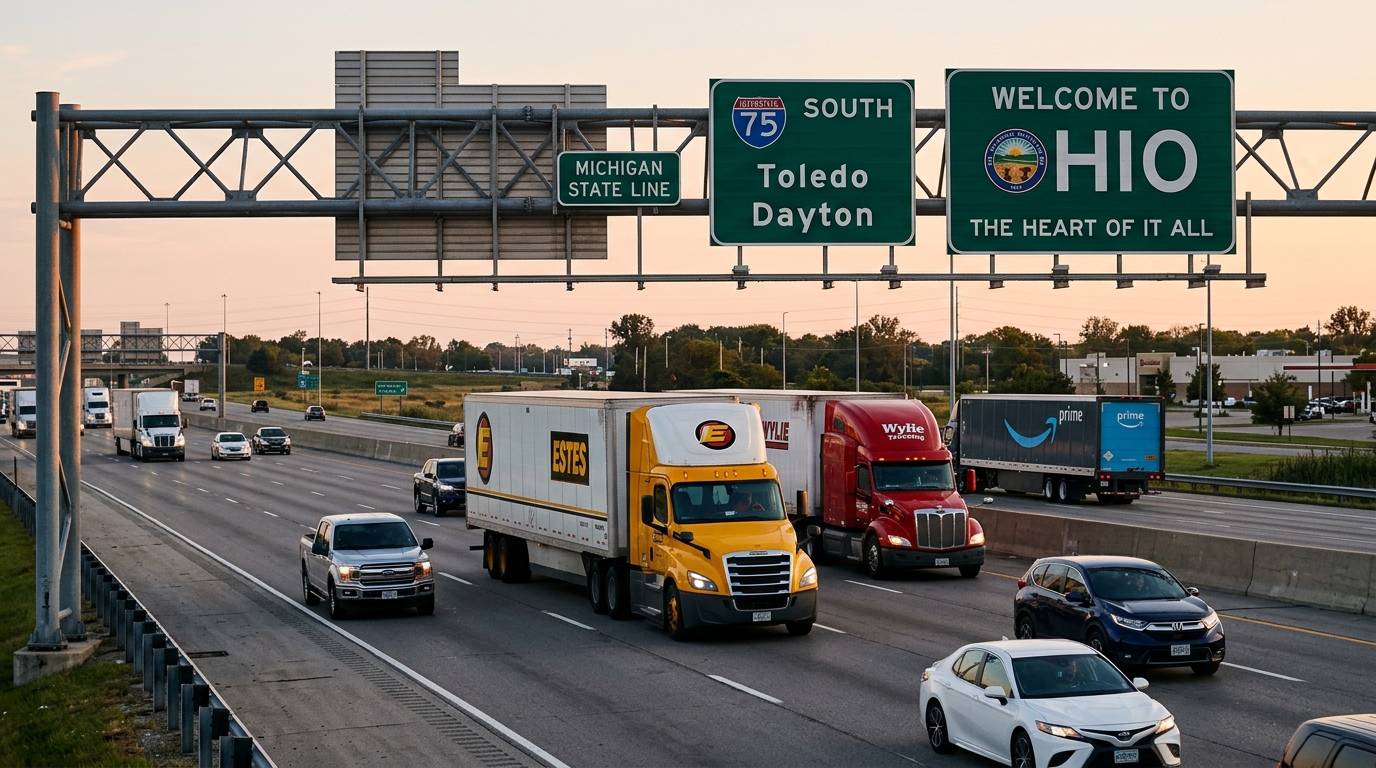
For decades, Michigan held the dubious distinction of having the most expensive automobile insurance premiums in the United States. In cities like Detroit, annual auto insurance policies frequently cost more than the market value of the vehicles being insured, forcing thousands of residents to drive uninsured or register vehicles at fraudulent suburban addresses.
At the center of this controversy is Michigan’s unique legal architecture: the Michigan No-Fault Insurance Act (Public Act 294 of 1972).
Unlike “tort liability” states where an innocent accident victim must prove fault and extract payments from the other driver’s insurance carrier, Michigan requires every vehicle owner to purchase Personal Injury Protection (PIP). Following a collision on the Lodge Freeway or an icy rural road in Oakland County, your own insurance carrier pays your medical expenses and wage replacement, completely irrespective of who caused the crash.
However, the landmark passage of Public Act 21 of 2019 permanently altered the Michigan insurance landscape. The reform dismantled Michigan’s mandatory lifetime unlimited medical requirement, introduced six tiered PIP medical coverage choices, established statutory fee schedules for medical providers, and tripled the state’s mini-tort vehicle damage limit to \$3,000.
This definitive legal guide explores Michigan’s no-fault insurance statutes in 2026, breaking down mandatory coverage components, PIP medical choice tiers, MCCA fees, the mini-tort rule, and the legal threshold required to sue an at-fault driver.
Bottom Line Up Front (BLUF): Michigan No-Fault Insurance Fast Facts
• Is Michigan a No-Fault State? Yes. Your own insurance company always pays your medical treatment and lost wages first (first-party benefits).
• Mandatory Coverages: Every registered Michigan vehicle must carry PIP Medical, Property Protection Insurance (PPI — $1 Million), and Residual Bodily Injury / Property Damage Liability (BIL).
• The $3,000 Mini-Tort Rule: You can recover up to $3,000 from the at-fault driver's insurance to pay your collision deductible or uninsured vehicle damage.
• Suing for Pain & Suffering: Restricted by the statutory "threshold injury" test: death, serious permanent disfigurement, or serious impairment of a body function.
1. The Three Mandatory Components of Michigan Auto Insurance
Under Section 500.3101 of the Michigan Compiled Laws (MCL), driving without no-fault insurance is a misdemeanor punishable by fines up to \$500, up to one year in jail, and mandatory driver’s license suspension.
Every valid Michigan automobile policy is legally composed of three mandatory coverage pillars:
THE 3 PILLARS OF A MICHIGAN NO-FAULT POLICY:
┌──────────────────────────────────────┐  ┌──────────────────────────────────────┐
│ 1. PERSONAL INJURY PROTECTION (PIP)  │  │ 2. PROPERTY PROTECTION (PPI)         │
│ Pays 100% of reasonable medical care │  │ Pays up to $1,000,000 for damage     │
│ (up to your chosen tier limit), 85%  │  │ your vehicle causes to other people's│
│ of lost wages for 3 years, and up to │  │ physical property (parked cars,      │
│ $20/day in replacement services.     │  │ buildings, utility poles, guardrails)│
└──────────────────────────────────────┘  └──────────────────────────────────────┘
                                          │
                                          ▼
┌────────────────────────────────────────────────────────────────────────────────┐
│ 3. RESIDUAL BODILY INJURY & PROPERTY DAMAGE LIABILITY (BIL)                    │
│ Protects you if you are sued by an injured person when you are at fault:       │
│ • Statutory Default: $250,000 per person / $500,000 per accident.              │
│ • Minimum Permitted Option: $50,000 per person / $100,000 per accident.        │
│ • Out-of-State Property Damage: $10,000 baseline.                              │
└────────────────────────────────────────────────────────────────────────────────┘
2. Choosing Your PIP Medical Tier (The 2019 Reform)
Prior to July 2020, every Michigan driver was legally required to purchase unlimited lifetime medical benefits. While this provided world-class catastrophic trauma care for paralyzed or brain-injured motorists, it drove insurance premiums to exorbitant levels.
Under the reformed statute (MCL 500.3107c), Michigan drivers now select from six distinct PIP medical coverage levels:
| PIP Medical Option | Coverage Cap per Person | Eligibility Restrictions | MCCA Assessment Status |
|---|---|---|---|
| Option 1: Unlimited | No Dollar Limit (Lifetime) | Available to all drivers. | Subject to full MCCA annual fee. |
| Option 2: $500,000 | $500,000 per crash | Available to all drivers. | Exempt from MCCA deficit fee. |
| Option 3: $250,000 | $250,000 per crash | Available to all drivers. | Exempt from MCCA deficit fee. |
| Option 4: $250,000 with Exclusions | $250,000 per crash | Named insured has qualifying non-Medicare health insurance that covers auto accidents. | Exempt from MCCA deficit fee. |
| Option 5: $50,000 (Medicaid Option) | $50,000 per crash | Named insured is enrolled in Medicaid and household members have qualified coverage. | Exempt from MCCA deficit fee. |
| Option 6: Complete PIP Opt-Out ($0) | $0.00 (Zero PIP Medical) | Named insured is enrolled in Medicare Parts A & B, and household members have qualified health plans. | 100% Exempt from MCCA fees. |
What Is the Michigan Catastrophic Claims Association (MCCA)?
The MCCA is a state-mandated non-profit association that reimburses auto insurers for medical claims exceeding statutory thresholds (currently \$630,000+ per claim). Drivers who maintain Unlimited PIP pay an annual assessment to fund catastrophic care reserves, whereas drivers selecting capped tiers save significantly on their annual premium.
3. The Michigan “Mini-Tort” Law: The $3,000 Collision Rule
Under pure no-fault principles, you cannot sue another driver for damage to your motor vehicle; each driver purchases their own collision coverage (Broad, Regular, or Limited Collision) to fix their own car.
However, to address the unfairness of innocent drivers paying out-of-pocket deductibles for crashes caused by reckless motorists, Michigan created the Mini-Tort Exception (MCL 500.3135(3)(e)).
How Mini-Tort Operates in 2026:
- Statutory Maximum: \$3,000 (raised from the old \$1,000 limit).
- Fault Requirement: The other driver must be at least 51% at fault for the collision.
- Comparative Negligence: If you are found 20% at fault and the other driver is 80% at fault, your recovery is reduced by 20% (e.g., maximum recovery of \$2,400).
- What It Covers: Mini-tort covers your out-of-pocket collision insurance deductible, or the actual cash repairs if you did not carry collision coverage. It never pays for rental car expenses, towing, or diminished vehicle value.
REAL-WORLD MINI-TORT SCENARIO:
1. You are rear-ended at a red light in Southfield by an at-fault driver.
2. Your car suffers $4,500 in bumper damage.
3. You have standard collision insurance with a $1,000 deductible.
4. Your own insurance repairs the vehicle and charges you your $1,000 deductible.
5. YOU FILE A MINI-TORT CLAIM against the at-fault driver's insurance:
   --> The at-fault insurer sends you a check for $1,000, reimbursing your deductible 100%!
4. When Can You Sue an At-Fault Driver in Michigan?
While no-fault law severely restricts courtroom lawsuits, injured victims retain the statutory right to file a Third-Party Tort Lawsuit against a negligent driver under two distinct legal doctrines:
1. Excess Economic Loss Claims
If you opted for a capped PIP medical level (such as \$250,000) and your intensive care bills total \$600,000, your own insurance stops paying once the \$250,000 cap is reached. You have the immediate legal right to sue the at-fault driver for the remaining \$350,000 in excess medical debt, as well as lost wages exceeding the state’s monthly three-year maximum.
2. Non-Economic Damages (Pain and Suffering)
To sue an at-fault driver for physical pain, emotional trauma, or loss of enjoyment of life, your injuries must cross the strict statutory threshold codified in MCL 500.3135(1): * Death; OR * Permanent serious disfigurement (severe facial scarring, limb amputation); OR * Serious impairment of body function.
The “Serious Impairment” Legal Standard (McCormick v. Carrier)
Under the Michigan Supreme Court precedent McCormick v. Carrier, to prove a “serious impairment,” the plaintiff must establish: 1. An objectively manifested impairment (medically documented via MRI, X-ray, or clinical diagnosis). 2. An impairment of an important bodily function (such as walking, lifting, or cognitive function). 3. The impairment affects the plaintiff’s general ability to lead their normal pre-accident life (inability to work, perform household chores, or engage in recreational activities).
Conclusion: Balancing Risk and Insurance Costs in Michigan
Understanding Michigan’s no-fault legal system is vital for every resident driver. While the 2019 reforms empowered motorists to lower premiums by selecting capped PIP medical tiers or opting out under Medicare, these choices introduce serious personal exposure if you are involved in a devastating collision with an underinsured or uninsured motorist.
To ensure comprehensive household protection, drivers selecting lower PIP tiers should carry robust Underinsured / Uninsured Motorist (UM/UIM) coverage and high Bodily Injury Liability limits of at least \$250,000/\$500,000.
For information on how vehicle fuel taxes and registration tab fees fund regional road maintenance across the state, read our definitive analysis of the Michigan Gas Tax and Road Usage Fees. For property owners navigating municipal assessments, review our guide to Michigan Property Tax Appeals.
Archival & Citation Notice
This research analysis is published under the academic and civic archive of Detroit Focus. For academic referencing or press reproduction, please cite as: "Is Michigan a No-Fault State? 2026 Auto Insurance Law, PIP Medical Choices & $3,000 Mini-Tort Explained", Detroit Focus Urban Review (October 09, 2026).