Michigan Maternal & Infant Health Program (MIHP): Medicaid Home Visits, Postpartum Extensions & Care
A family and expectant parent guide to Michigan's Maternal Infant Health Program (MIHP): In-home nurse visits, the 12-month postpartum Medicaid extension, and state-reimbursed doula care.
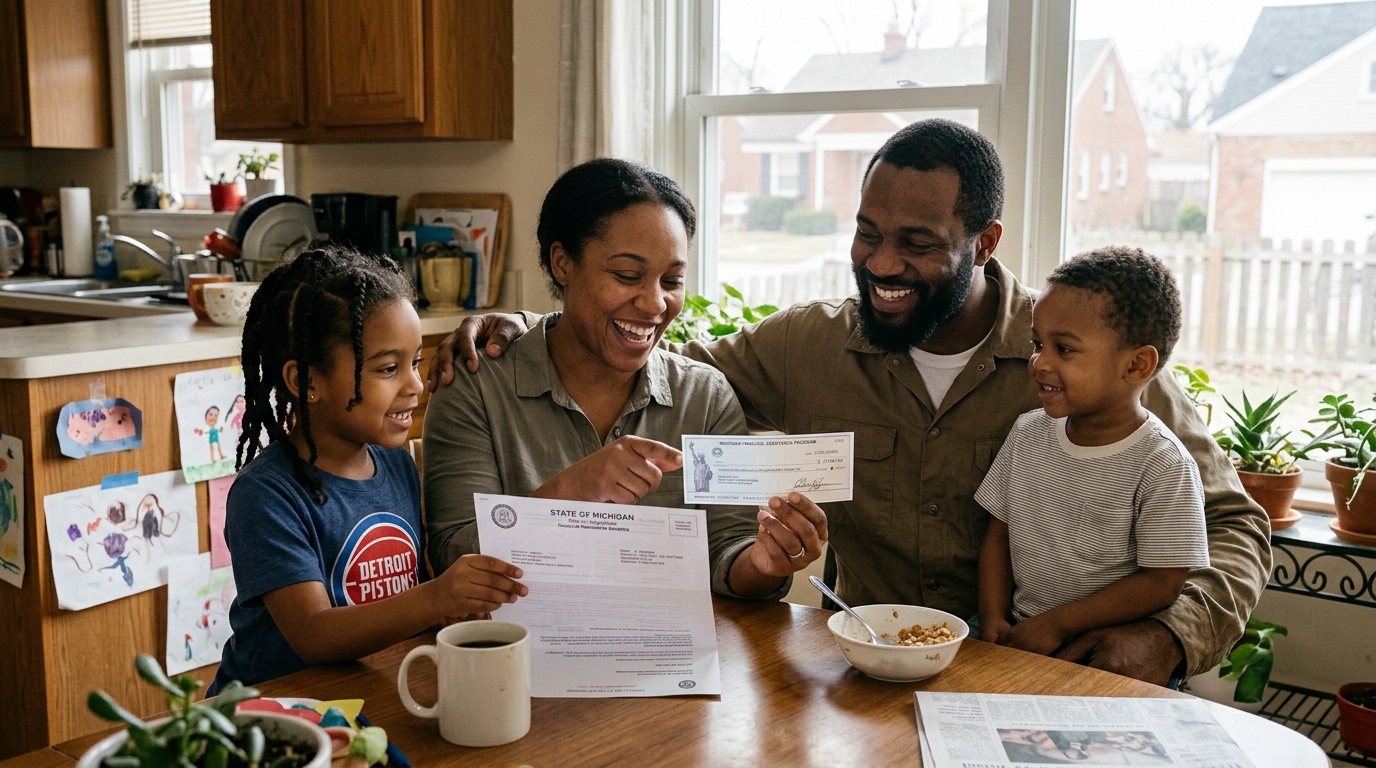
Addressing maternal and infant health disparities is one of Michigan’s most pressing public health mandates. While the state boasts world-class academic medical centers in Ann Arbor, Detroit, and Grand Rapids, infant and maternal mortality rates—particularly among Black and Indigenous mothers in urban and rural communities—have historically lagged national averages.
To eliminate preventable birth complications and support new families, the State of Michigan operates the Maternal Infant Health Program (MIHP). Administered by the Michigan Department of Health and Human Services (MDHHS), MIHP is the largest evidence-based home-visiting program in Michigan.
Paired with historic policy breakthroughs—including Michigan’s permanent 12-Month Postpartum Medicaid Extension and the formal inclusion of certified doula benefits—the state’s maternal safety net is among the most progressive in the nation.
This resident guide details how pregnant individuals and new mothers can access free MIHP home visits, utilize state-funded doulas, and maintain 365 days of guaranteed postpartum health insurance.
Bottom Line Up Front (BLUF): Michigan Maternal Health Benefits
• MIHP Eligibility: 100% free for any pregnant individual or infant under 12 months enrolled in Michigan Medicaid.
• Care Team: In-home visits from Registered Nurses (RNs), Licensed Social Workers (LMSWs), and Registered Dietitians.
• 12-Month Postpartum Extension: Full Medicaid coverage continues for 365 days after delivery (eliminating the old 60-day cutoff).
• State-Reimbursed Doulas: Michigan Medicaid pays for up to 6 prenatal/postpartum visits plus labor support from registered doulas.
• Baby Gear Support: Free pack-and-play cribs, infant car seats, diapers, and breastfeeding pumps provided to eligible families.
1. What Is MIHP and What Care Is Delivered?
MIHP is an evidence-based preventive home-visiting model certified by the federal government. It works alongside your obstetrician (OB/GYN), certified nurse midwife, or family physician to provide wraparound community care.
The Home Visit Experience
Services are delivered in the comfort of your home, at an agreed community site, or via secure telehealth: * Maternal Health Assessments: Nurses track blood pressure, monitor gestational diabetes management, evaluate swelling, and screen for early warning signs of preeclampsia. * Maternal Mental Health: Clinical social workers conduct validated screenings for prenatal anxiety and postpartum depression (PPD), connecting mothers to specialized behavioral therapists and support groups. * Infant Development & Safety: Education on safe sleep environments (following the ABCs: Alone, on their Back, in an empty Crib), shaken baby syndrome prevention, car seat installation checks, and developmental milestones. * Lactation & Nutrition: Dedicated support with infant latching, breast milk storage, formula preparation, and iron-rich nutritional meal planning.
2. The 12-Month Postpartum Medicaid Extension
Historically, federal law required pregnancy-related Medicaid coverage to terminate exactly 60 days after childbirth, abruptly cutting off new mothers at the very moment postpartum depression, pelvic floor trauma, and cardiovascular complications peak.
Under approval from CMS, Michigan permanently enacted the 12-Month Postpartum Coverage Extension:
$$\text{Postpartum Coverage Window: Conception} \longrightarrow \text{Delivery} \longrightarrow \mathbf{365 \text{ Days Postpartum}}$$
- Continuous Eligibility: Mothers remain covered for a full 12 months after the month their pregnancy ends, regardless of modest income changes or fluctuations in household earnings.
- Full Medical Scope: Coverage is not limited to reproductive organs; it includes primary care, specialty cardiology, mental health therapy, substance use recovery, and dental care.
3. Michigan Medicaid Doula Benefit: A Historic Breakthrough
Doulas are trained non-clinical professionals who provide continuous physical, emotional, and informational support to mothers before, during, and after childbirth. Clinical studies prove that doula care reduces cesarean delivery rates by 39% and significantly decreases pre-term births.
Under MDHHS policy, certified doulas registered with the Michigan Medicaid Doula Registry can bill the state directly for services:
| Covered Doula Benefit | Statutory / MDHHS Policy Scope | Benefit Limits |
|---|---|---|
| Prenatal Visits | Educational sessions covering birth planning, comfort techniques, and nutrition | Up to 6 combined prenatal and postpartum visits |
| Labor & Delivery Support | Continuous, hands-on physical and emotional presence at hospital, birth center, or home | Full labor and delivery duration |
| Postpartum Visits | Post-birth recovery check-in, newborn bonding support, and emotional checkups | Included in the 6-visit allocation |
| Additional Authorized Visits | Available upon submission of a physician’s letter of medical necessity | Up to additional visits for high-risk pregnancies |
4. Infant Safety Gear & Concrete Resource Connections
In addition to clinical care, MIHP agencies serve as a direct bridge to concrete material assistance:
- Safe Sleep Cribs: Families lacking an approved infant sleeping space receive a free portable Pack ‘n Play crib, fitted sheets, and sleep sacks funded through MDHHS Safe Sleep grants.
- Infant Car Seats: Distribution and certified inspection of infant safety car seats in partnership with local fire stations and safety coalitions.
- Breastfeeding Pumps: Under Medicaid, every pregnant beneficiary is entitled to a brand-new, double-electric breast pump prescribed by their physician and fulfilled by approved medical supply vendors.
- WIC Integration: Automatic coordination with the Special Supplemental Nutrition Program for Women, Infants, and Children (WIC) for nutritious groceries, milk, and infant formula vouchers.
5. How to Enroll in MIHP Across Michigan
Enrolling in MIHP is simple, voluntary, and can take place at any point during pregnancy or within the infant’s first year:
[Confirm Active Michigan Medicaid Status]
               │
               ▼
[Self-Referral or OB/GYN Clinic Referral to Local MIHP Agency]
               │
               ▼
[Complete Initial Maternal Risk Assessment Interview]
               │
               ▼
[Schedule Recurring Home / Telehealth Visits with RN & LMSW]
To locate an approved MIHP agency in your county:
* Visit the MDHHS MIHP Directory at michigan.gov/mihp.
* In Southeast Michigan, prominent agencies include the Detroit Health Department, Black Mothers’ Breastfeeding Association (BMBFA), St. John Community Health, and Corewell Health Maternal Child Services.
* In West Michigan and Greater Grand Rapids, services are anchored by Cherry Health and Priority Health MIHP Coordination.
Frequently Asked Questions (FAQ)
What is the Maternal Infant Health Program (MIHP) in Michigan?
The Maternal Infant Health Program (MIHP) is Michigan’s largest evidence-based home-visiting initiative, operated by the Michigan Department of Health and Human Services (MDHHS). MIHP provides free, personalized in-home or virtual care from registered nurses, licensed social workers, and registered dietitians to Medicaid-eligible pregnant individuals and infants up to age one.
Who is eligible for MIHP services in Michigan?
Any Michigan resident who is pregnant or has an infant under the age of one and is enrolled in any form of Michigan Medicaid or the Healthy Michigan Plan is automatically eligible for MIHP services at zero out-of-pocket cost. There are no additional fees, referrals, or prior authorizations required.
How long does Michigan Medicaid cover postpartum mothers after birth?
Under Michigan’s landmark Medicaid postpartum coverage extension, mothers retain full, comprehensive Michigan Medicaid coverage for a full 12 months (365 days) following the end of pregnancy, replacing the historical 60-day cutoff to protect maternal mental and cardiovascular health.
Does Michigan Medicaid pay for doulas during childbirth?
Yes. Michigan became one of the pioneering states to formally integrate certified doula services into its Medicaid program. Medicaid covers up to six prenatal and postpartum visits, continuous attendance during labor and delivery, and postpartum visits delivered by a registered Michigan Medicaid doula.
What specific services do MIHP nurses and social workers provide?
MIHP professionals provide individualized prenatal health monitoring, baby safety education (safe sleep guidance, infant CPR), lactation and breastfeeding consultations, maternal mental health and postpartum depression screenings, nutrition planning, and direct referrals for free baby cribs, car seats, food, and housing resources.
Archival & Citation Notice
This research analysis is published under the academic and civic archive of Detroit Focus. For academic referencing or press reproduction, please cite as: "Michigan Maternal & Infant Health Program (MIHP): Medicaid Home Visits, Postpartum Extensions & Care", Detroit Focus Urban Review (November 24, 2026).