Who Is Running for Michigan Governor in 2026? Candidates, Polling, Fundraising & Whitmer Succession
An analytical briefing on Michigan's open-seat 2026 gubernatorial election: The race to succeed term-limited Governor Gretchen Whitmer, declared and prospective candidates, campaign finance war chests, and marquee battleground issues.
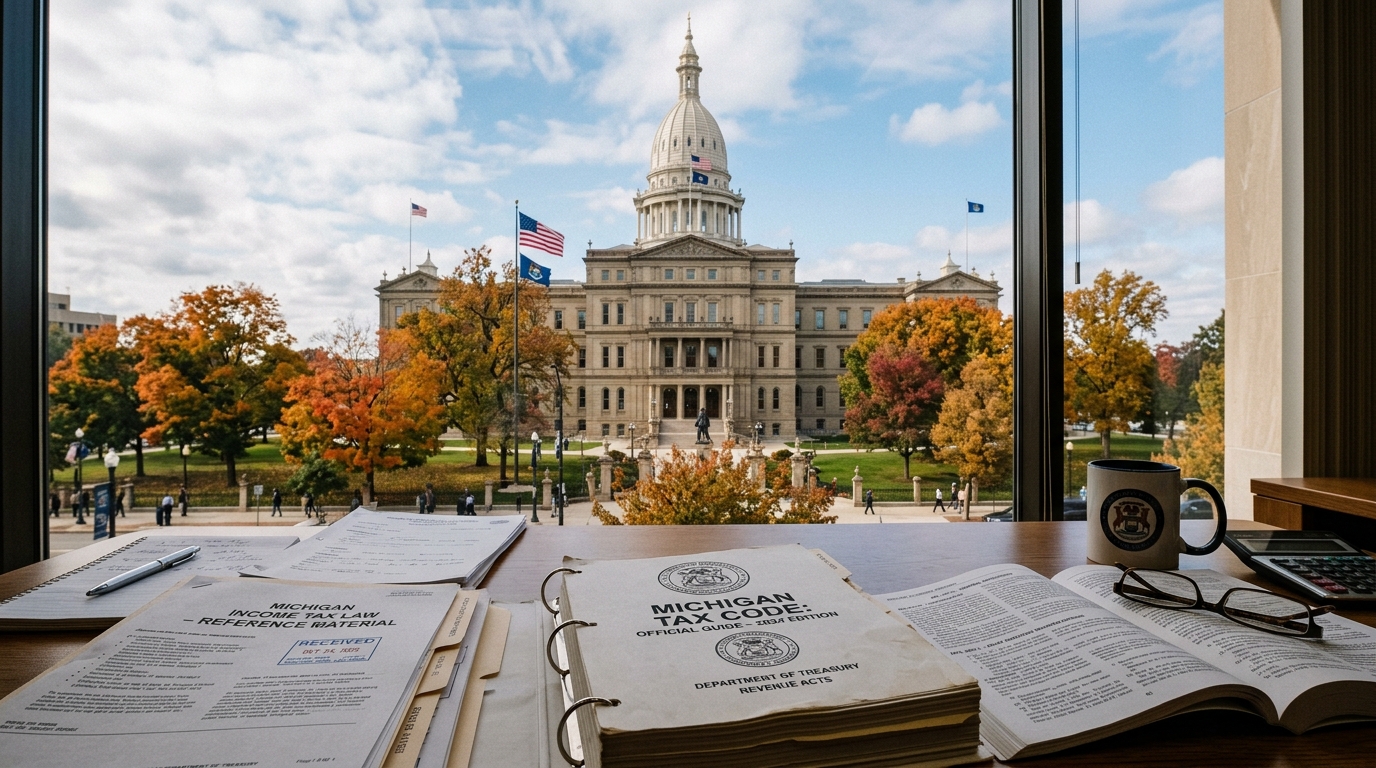
Michigan has long been the nation’s premier political bellwether. In 2026, the Great Lakes State will command national political attention as voters decide one of the most consequential open-seat gubernatorial elections in modern state history.
Under Article V, Section 30 of the Michigan Constitution of 1963, incumbent Democratic Governor Gretchen Whitmer is term-limited, having completed two consecutive four-year terms. Her departure concludes an eight-year political era characterized by major policy shifts, sweeping labor repeals, aggressive industrial incentive programs, and a contentious post-pandemic economic recovery.
With no incumbent on the ballot, both major political parties face intensely competitive primary battles. The outcome will decide the trajectory of state tax policy, K-12 education funding, industrial clean energy standards, and judicial appointments for the next decade.
This authoritative political briefing analyzes the prospective candidate field across both parties, campaign finance trajectories, signature-gathering benchmarks, and the marquee policy battlegrounds defining the 2026 gubernatorial cycle.
Bottom Line Up Front (BLUF): 2026 Michigan Gubernatorial Race
• Term Limits: Incumbent Governor Gretchen Whitmer is constitutionally barred from seeking a third term.
• Key Primary Date: August 4, 2026 (Michigan Statewide Primary Election).
• General Election Date: November 3, 2026.
• Ballot Access Benchmark: 15,000 to 30,000 valid registered voter signatures under MCL 168.544f.
• Key Battleground Issues: Potholes and highway infrastructure financing, corporate manufacturing subsidies (SOAR), K-12 literacy scores, and population retention.
1. The Democratic Succession Field
Governor Whitmer’s departure triggers the first open Democratic primary for governor since 2018. The emerging field showcases experienced statewide officials and prominent municipal executives:
Jocelyn Benson (Secretary of State)
- Profile: Re-elected statewide by over 600,000 votes in 2022, Benson has built a high-profile national reputation around voting rights, election integrity, and modernizing branch operations at the Michigan Department of State.
- Strengths: Proven statewide fundraising machinery, near-universal name recognition among primary voters, and deep organizational ties across Oakland, Wayne, and Washtenaw counties.
- Vulnerabilities: Heavy scrutiny from conservative groups regarding electronic voting systems and voter roll maintenance.
Mike Duggan (Mayor of Detroit)
- Profile: Having served as Mayor of Detroit since 2014, Duggan announced in late 2024 that he would not seek re-election to a fourth term at City Hall, immediately positioning himself as a formidable gubernatorial contender.
- Strengths: Pragmatic, results-oriented track record steering Detroit through municipal bankruptcy exit, street-level revitalization, and commercial job attraction. Exceptional appeal to suburban moderates and independent business leaders.
- Vulnerabilities: Navigating progressive primary factions critical of corporate downtown tax abatements.
Garlin Gilchrist II (Lieutenant Governor)
- Profile: Serving two terms as Whitmer’s second-in-command, Gilchrist brings extensive executive branch familiarity, a background in software engineering, and leadership of the Michigan Task Force on Racial Disparities.
- Strengths: Strong alignment with the Whitmer administration’s policy achievements and solid support among urban constituencies.
Chris Swanson (Sheriff of Genesee County)
- Profile: Rising to national prominence during the 2020 civil demonstrations by walking alongside protesters in Flint, Swanson has cultivated a distinct, energetic brand combining law enforcement credentials with criminal justice reform.
2. The Republican Contenders
Michigan Republicans enter the 2026 gubernatorial cycle determined to reclaim the executive mansion for the first time since Rick Snyder’s departure in 2018:
John James (U.S. Representative, MI-10)
- Profile: Businessman, West Point graduate, and combat veteran representing Macomb County and Rochester in Congress. James is widely regarded as the GOP’s most polished and prolific statewide campaigner.
- Strengths: National donor network, proven ability to raise tens of millions of dollars, and strong appeal in critical blue-collar suburban swing districts.
- Strategic Calculus: Must weigh relinquishing a safe congressional seat against launching a grueling statewide bid.
Aric Nesbitt (State Senate Minority Leader)
- Profile: Conservative stalwart hailing from Van Buren County in Southwest Michigan, Nesbitt has served as the legislative spearhead challenging Democratic fiscal and environmental policies.
- Strengths: Deep roots in the traditional grassroots party apparatus, strong backing from agricultural and commercial business federations, and mastery of legislative budget levers.
Kevin Rinke (Automotive Executive / Investor)
- Profile: Self-funded Bloomfield Hills businessman who placed second in the 2022 Republican gubernatorial primary.
- Strengths: Personal financial capacity to inject millions of dollars of personal wealth into early television advertising and signature collection operations.
3. Ballot Access & Signature Audits: The 15,000-Signature Hurdle
In Michigan, making the primary ballot is an arduous legal challenge. Under Section 168.544f of the Michigan Compiled Laws, gubernatorial hopefuls must collect: * A minimum of 15,000 valid signatures from registered Michigan voters. * A statutory maximum of 30,000 signatures (campaigns typically aim for 25,000+ to provide a cushion against disqualifications). * Geographic Distribution Requirement: At least 100 valid signatures from each of at least 7 of Michigan’s 13 congressional districts, preventing candidates from gathering petitions exclusively in a single county.
Lessons from the 2022 Signature Fraud Debacle
Candidates face heightened administrative scrutiny from the Michigan Bureau of Elections. In 2022, five Republican gubernatorial candidates (including early frontrunners) were disqualified from the ballot after state auditors discovered paid petition-circulating firms had forged tens of thousands of signatures. In 2026, campaigns are employing sophisticated optical software and internal validation teams to verify every line before submission.
4. Marquee Battleground Policy Issues
The 2026 race will be decided across four primary policy arenas:
┌────────────────────────────────────────────────────────────────────────┐
│                   2026 GUBERNATORIAL POLICY ARENAS                     │
├───────────────────────────────┬────────────────────────────────────────┤
│ 1. Infrastructure & Roads     │ Whitmer's "Fix the Damn Roads" bond    │
│                               │ money expires. How to fund $3.9B gap?  │
├───────────────────────────────┼────────────────────────────────────────┤
│ 2. Corporate Subsidies (SOAR) │ Bipartisan battle over state cash grants│
│                               │ to battery plants and mega-sites.      │
├───────────────────────────────┼────────────────────────────────────────┤
│ 3. Energy Mandates            │ Clean Energy Act 100% clean power by   │
│                               │ 2040 vs. DTE/Consumers reliability.    │
├───────────────────────────────┼────────────────────────────────────────┤
│ 4. K-12 Literacy & Workforce  │ 3rd grade reading proficiency scores   │
│                               │ and Michigan Reconnect expansions.     │
└───────────────────────────────┴────────────────────────────────────────┘
- Highway & Pothole Financing: While Governor Whitmer utilized $3.5 billion in state road bonding, those bond proceeds are fully committed. The next governor must propose a sustainable, recurring revenue mechanism to close Michigan’s estimated $3.9 billion annual road maintenance shortfall without triggering voter revolts at the gas pump.
- Economic Development & SOAR Incentives: Michigan’s Strategic Outreach and Attraction Reserve (SOAR) fund has faced fierce criticism from progressive Democrats (skeptical of corporate giveaways) and fiscal conservatives alike. The next administration must balance competing demands for regional jobs against corporate accountability.
- Clean Energy Grid Reliability: Under the landmark Clean Energy and Climate Action package, Michigan utilities must achieve 100% clean electricity by 2040. Candidates will clash over whether rapid decarbonization threatens grid stability and elevates electric rates for working-class rate-payers.
Frequently Asked Questions (FAQ)
Can Gretchen Whitmer run for Michigan Governor again in 2026?
No. Under Article V, Section 30 of the Michigan Constitution, no person may be elected to the office of Governor more than two times. Having won the general elections in 2018 and 2022, Governor Gretchen Whitmer is term-limited and cannot appear on the 2026 ballot, creating a wide-open race for the executive mansion.
Who are the top prospective Democratic candidates for Michigan Governor in 2026?
Leading prospective and declared Democratic contenders include Michigan Secretary of State Jocelyn Benson, Lieutenant Governor Garlin Gilchrist II, Genesee County Sheriff Chris Swanson, and Detroit Mayor Mike Duggan (who announced in late 2024 he would not seek a fourth term as mayor, sparking intense gubernatorial speculation).
Who are the top prospective Republican candidates for Michigan Governor in 2026?
Prominent Republican contenders exploring or launching gubernatorial bids include U.S. Representative John James, State Senate Minority Leader Aric Nesbitt, former gubernatorial candidate Kevin Rinke, Tudor Dixon, and regional business leaders from West Michigan.
How many signatures do gubernatorial candidates need to make the Michigan primary ballot?
Under Section 168.544f of the Michigan Compiled Laws, major party gubernatorial candidates must collect at least 15,000 valid nominating signatures (with a statutory ceiling of 30,000) from registered Michigan voters, including a minimum of 100 signatures from at least half of the state’s 13 congressional districts.
What are the core economic issues in the 2026 Michigan gubernatorial race?
The campaign centers on long-term infrastructure and road funding solutions, the Strategic Outreach and Attraction Reserve (SOAR) corporate subsidy fund, K-12 public education outcomes, state population retention strategies, and the automotive sector’s transition toward electric vehicles and advanced mobility.
Archival & Citation Notice
This research analysis is published under the academic and civic archive of Detroit Focus. For academic referencing or press reproduction, please cite as: "Who Is Running for Michigan Governor in 2026? Candidates, Polling, Fundraising & Whitmer Succession", Detroit Focus Urban Review (December 01, 2026).